

Now Reading: English Tenses, You need to understand how the Verb changes based on the Time of Action.
-
01
English Tenses, You need to understand how the Verb changes based on the Time of Action.
English Tenses, You need to understand how the Verb changes based on the Time of Action.

1. Present Simple Tense
Rule: Subject + Verb (1{st} form) + s/es (for he/she/it/singular) + Object.
Usage: For habits, general truths, and fixed arrangements.
I write a letter. – मैं पत्र लिखता हूँ।
She sings a song. – वह गाना गाती है।
They play cricket. – वे क्रिकेट खेलते हैं।
The sun rises in the east. – सूरज पूर्व में उगता है।
We go to school every day. – हम हर दिन स्कूल जाते हैं।
He speaks English fluently. – वह धाराप्रवाह अंग्रेजी बोलता है।
Birds fly in the sky. – पक्षी आसमान में उड़ते हैं।
My mother cooks delicious food. – मेरी माँ स्वादिष्ट खाना बनाती है।
Do you like coffee? – क्या आपको कॉफी पसंद है?
Cats hate water. – बिल्लियाँ पानी से नफरत करती हैं।
He doesn’t tell a lie. – वह झूठ नहीं बोलता।
Water boils at 100°C. – पानी 100 डिग्री सेल्सियस पर उबलता है।
Ram works in a bank. – राम एक बैंक में काम करता है।
It rains a lot here. – यहाँ बहुत बारिश होती है।
We live in India. – हम भारत में रहते हैं।
The train leaves at 9 PM. – ट्रेन रात 9 बजे निकलती है।
I wake up early. – मैं जल्दी जागता हूँ।
She brushes her teeth twice. – वह दो बार अपने दाँत ब्रश करती है।
Does he know you? – क्या वह आपको जानता है?
They never arrive late. – वे कभी देर से नहीं पहुँचते।
2. Present Continuous Tense
Rule: Subject + is/am/are + Verb(ing) + Object.
Usage: For actions happening right now.
I am reading a book. – मैं एक किताब पढ़ रहा हूँ।
She is dancing. – वह नाच रही है।
They are playing football. – वे फुटबॉल खेल रहे हैं।
It is raining outside. – बाहर बारिश हो रही है।
We are learning English. – हम अंग्रेजी सीख रहे हैं।
He is watching TV. – वह टीवी देख रहा है।
You are making a noise. – तुम शोर मचा रहे हो।
The baby is sleeping. – बच्चा सो रहा है।
I am not joking. – मैं मजाक नहीं कर रहा हूँ।
Are you coming with us? – क्या आप हमारे साथ आ रहे हैं?
My father is working in the office. – मेरे पिता ऑफिस में काम कर रहे हैं।
Birds are chirping. – पक्षी चहचहा रहे हैं।
Someone is knocking at the door. – कोई दरवाजा खटखटा रहा है।
Why are you crying? – तुम क्यों रो रहे हो?
I am writing an email. – मैं एक ईमेल लिख रहा हूँ।
She is cooking dinner. – वह रात का खाना बना रही है।
The wind is blowing. – हवा चल रही है।
They are building a house. – वे एक घर बना रहे हैं।
I am feeling better now. – मुझे अब बेहतर लग रहा है।
He is waiting for you. – वह आपका इंतजार कर रहा है।
3. Present Perfect Tense
Rule: Subject + has/have + Verb (3{rd} form) + Object.
Usage: For actions completed recently or actions where time is not specific.
I have finished my work. – मैंने अपना काम पूरा कर लिया है।
She has gone to the market. – वह बाजार गई है।
They have won the match. – उन्होंने मैच जीत लिया है।
Have you seen this movie? – क्या आपने यह फिल्म देखी है?
He has lost his keys. – उसने अपनी चाबियाँ खो दी हैं।
We have lived here for ten years. – हम यहाँ दस साल से रहे हैं।
I have already eaten. – मैंने पहले ही खा लिया है।
The train has arrived. – ट्रेन आ गई है।
She has written three books. – उसने तीन किताबें लिखी हैं।
They haven’t called me. – उन्होंने मुझे फोन नहीं किया है।
I have forgotten your name. – मैं आपका नाम भूल गया हूँ।
Has he ever visited Delhi? – क्या वह कभी दिल्ली गया है?
The rain has stopped. – बारिश रुक गई है।
We have bought a new car. – हमने एक नई कार खरीदी है।
He has broken the glass. – उसने गिलास तोड़ दिया है।
I have seen the Taj Mahal. – मैंने ताजमहल देखा है।
She has cooked the food. – उसने खाना बना लिया है।
They have reached home. – वे घर पहुँच गए हैं।
You have done a great job. – आपने बहुत अच्छा काम किया है।
It has been a long day. – यह एक लंबा दिन रहा है।
4. Present Perfect Continuous Tense
Rule: Subject + has/have + been + Verb(ing) + since/for + Time.
Usage: For actions that started in the past and are still continuing.
I have been waiting for two hours. – मैं दो घंटे से इंतजार कर रहा हूँ।
She has been studying since morning. – वह सुबह से पढ़ रही है।
It has been raining since last night. – कल रात से बारिश हो रही है।
They have been playing for a long time. – वे काफी समय से खेल रहे हैं।
We have been living here since 2010. – हम 2010 से यहाँ रह रहे हैं।
He has been working on this project. – वह इस प्रोजेक्ट पर काम कर रहा है।
Why have you been crying? – तुम काफी देर से क्यों रो रहे हो?
I have been learning music for months. – मैं महीनों से संगीत सीख रहा हूँ।
She hasn’t been feeling well. – उसकी तबीयत कुछ समय से ठीक नहीं है।
Have they been staying here? – क्या वे यहाँ रह रहे हैं?
The baby has been sleeping for hours. – बच्चा घंटों से सो रहा है।
I have been trying to call you. – मैं आपको फोन करने की कोशिश कर रहा हूँ।
He has been teaching since 1995. – वह 1995 से पढ़ा रहे हैं।
Birds have been flying for hours. – पक्षी घंटों से उड़ रहे हैं।
We have been planning this trip. – हम इस यात्रा की योजना बना रहे हैं।
She has been cooking since 7 AM. – वह सुबह 7 बजे से खाना बना रही है।
It has been snowing all day. – पूरे दिन बर्फ गिर रही है।
They have been arguing for a while. – वे कुछ देर से बहस कर रहे हैं।
I have been reading this book. – मैं यह किताब पढ़ रहा हूँ।
He has been exercising daily. – वह रोजाना व्यायाम कर रहा है।
5. Past Simple Tense
Rule: Subject + Verb (2{nd} form) + Object.
Usage: For actions completed in the past.
I saw him yesterday. – मैंने उसे कल देखा था।
She went to London last year. – वह पिछले साल लंदन गई थी।
They played very well. – वे बहुत अच्छा खेले।
He bought a new phone. – उसने एक नया फोन खरीदा।
We ate dinner at 8 PM. – हमने रात 8 बजे खाना खाया।
The cat drank the milk. – बिल्ली ने दूध पी लिया।
I finished the report. – मैंने रिपोर्ट पूरी कर ली।
She told me a story. – उसने मुझे एक कहानी सुनाई।
They arrived late. – वे देर से पहुँचे।
It rained heavily. – भारी बारिश हुई।
Did you meet him? – क्या तुम उससे मिले?
I didn’t know that. – मुझे वह पता नहीं था।
He came to my house. – वह मेरे घर आया।
We enjoyed the party. – हमने पार्टी का आनंद लिया।
She sang a beautiful song. – उसने एक सुंदर गाना गाया।
I lost my wallet. – मैंने अपना बटुआ खो दिया।
They sold their house. – उन्होंने अपना घर बेच दिया।
He wrote a letter. – उसने एक पत्र लिखा।
We watched a movie. – हमने एक फिल्म देखी।
I slept early last night. – मैं कल रात जल्दी सो गया।
6. Past Continuous Tense
Rule: Subject + was/were + Verb(ing) + Object.
Usage: For actions that were ongoing at a specific time in the past.
I was reading a book. – मैं किताब पढ़ रहा था।
She was cooking food. – वह खाना बना रही थी।
They were playing cricket. – वे क्रिकेट खेल रहे थे।
It was raining at that time. – उस समय बारिश हो रही थी।
We were watching TV. – हम टीवी देख रहे थे।
He was sleeping when I called. – जब मैंने फोन किया तब वह सो रहा था।
The dogs were barking. – कुत्ते भौंक रहे थे।
You were shouting at me. – तुम मुझ पर चिल्ला रहे थे।
I was not feeling well. – मेरी तबीयत ठीक नहीं थी।
Were you listening to music? – क्या आप संगीत सुन रहे थे?
She was wearing a red dress. – उसने लाल रंग की ड्रेस पहनी थी।
They were talking loudly. – वे जोर-जोर से बातें कर रहे थे।
I was waiting for the bus. – मैं बस का इंतजार कर रहा था।
The sun was shining. – सूरज चमक रहा था।
We were laughing at his joke. – हम उसके जोक पर हँस रहे थे।
He was driving the car. – वह कार चला रहा था।
Children were playing in the park. – बच्चे पार्क में खेल रहे थे।
I was dreaming of you. – मैं तुम्हारे सपने देख रहा था।
She was crying in the room. – वह कमरे में रो रही थी।
They were preparing for exams. – वे परीक्षा की तैयारी कर रहे थे।
7. Past Perfect Tense
Rule: Subject + had + Verb (3{rd} form) + Object.
Usage: For an action completed before another action in the past.
I had finished my work before he came. – उसके आने से पहले मैंने अपना काम खत्म कर लिया था।
She had already left. – वह पहले ही जा चुकी थी।
They had won the game. – उन्होंने खेल जीत लिया था।
The train had departed. – ट्रेन छूट चुकी थी।
I had never seen him before. – मैंने उसे पहले कभी नहीं देखा था।
We had reached the station. – हम स्टेशन पहुँच चुके थे।
He had forgotten his password. – वह अपना पासवर्ड भूल गया था।
The patient had died before the doctor came. – डॉक्टर के आने से पहले मरीज मर चुका था।
Had you heard this news? – क्या आपने यह खबर सुनी थी?
She had cooked dinner. – उसने रात का खाना बना लिया था।
I had written the letter. – मैंने पत्र लिख लिया था।
They had lost the way. – वे रास्ता भटक गए थे।
He had lived there for years. – वह वहाँ सालों तक रहा था।
We had already seen that movie. – हमने वह फिल्म पहले ही देख ली थी।
I had cleaned the room. – मैंने कमरा साफ कर दिया था।
She had told me everything. – उसने मुझे सब कुछ बता दिया था।
They had completed the task. – उन्होंने काम पूरा कर लिया था।
It had stopped raining. – बारिश रुक चुकी थी।
I had met her once. – मैं उससे एक बार मिला था।
He had bought the tickets. – उसने टिकट खरीद लिए थे।
8. Past Perfect Continuous Tense
Rule: Subject + had + been + Verb(ing) + since/for + Time.
Usage: For an action that started and continued up to a point in the past.
I had been waiting for an hour. – मैं एक घंटे से इंतजार कर रहा था।
She had been studying since morning. – वह सुबह से पढ़ रही थी।
They had been playing for two hours. – वे दो घंटे से खेल रहे थे।
It had been raining for days. – कई दिनों से बारिश हो रही थी।
We had been living there since 2005. – हम 2005 से वहाँ रह रहे थे।
He had been working in that company. – वह उस कंपनी में काम कर रहा था।
I had been trying to find you. – मैं तुम्हें खोजने की कोशिश कर रहा था।
She had been dancing for a long time. – वह काफी देर से नाच रही थी।
They had been arguing all night. – वे पूरी रात बहस कर रहे थे।
Had you been sleeping? – क्या तुम सो रहे थे?
The engine had been making noise. – इंजन शोर कर रहा था।
He had been teaching for 20 years. – वह 20 साल से पढ़ा रहा था।
We had been traveling all day. – हम पूरे दिन यात्रा कर रहे थे।
I had been thinking about it. – मैं इसके बारे में सोच रहा था।
She had been crying for hours. – वह घंटों से रो रही थी।
They had been practicing hard. – वे कड़ी मेहनत कर रहे थे।
It had been snowing since morning. – सुबह से बर्फ गिर रही थी।
He had been feeling sick. – उसे बीमार महसूस हो रहा था।
We had been waiting for the results. – हम नतीजों का इंतजार कर रहे थे।
I had been reading that book. – मैं वह किताब पढ़ रहा था।
9. Future Simple Tense
Rule: Subject + will/shall + Verb (1{st} form) + Object.
Usage: For actions that will happen in the future.
I will call you tomorrow. – मैं तुम्हें कल फोन करूँगा।
She will go to the market. – वह बाजार जाएगी।
They will play the match. – वे मैच खेलेंगे।
It will rain today. – आज बारिश होगी।
We will help you. – हम आपकी मदद करेंगे।
He will arrive soon. – वह जल्द ही आएगा।
Will you come with me? – क्या तुम मेरे साथ आओगे?
I will not tell anyone. – मैं किसी को नहीं बताऊँगा।
She will buy a new dress. – वह एक नई ड्रेस खरीदेगी।
They will win the election. – वे चुनाव जीतेंगे।
I will write a book. – मैं एक किताब लिखूँगा।
He will be a doctor. – वह डॉक्टर बनेगा।
We will meet next week. – हम अगले हफ्ते मिलेंगे।
The shop will open at 10. – दुकान 10 बजे खुलेगी।
I will see you later. – मैं आपसे बाद में मिलूँगा।
She will cook lunch. – वह दोपहर का खाना बनाएगी।
They will visit India. – वे भारत आएंगे।
It will be fun. – बहुत मजा आएगा।
I will try my best. – मैं अपनी पूरी कोशिश करूँगा।
He will learn English. – वह अंग्रेजी सीखेगा।
10. Future Continuous Tense
Rule: Subject + will be + Verb(ing) + Object.
Usage: For actions that will be ongoing in the future.
I will be waiting for you. – मैं तुम्हारा इंतजार कर रहा हूँगा।
She will be sleeping then. – वह तब सो रही होगी।
They will be playing cricket. – वे क्रिकेट खेल रहे होंगे।
We will be traveling to Delhi. – हम दिल्ली की यात्रा कर रहे होंगे।
He will be watching a movie. – वह फिल्म देख रहा होगा।
It will be raining tomorrow. – कल बारिश हो रही होगी।
I will be working at 5 PM. – मैं शाम 5 बजे काम कर रहा हूँगा।
She will be cooking dinner. – वह रात का खाना बना रही होगी।
They will be discussing the plan. – वे योजना पर चर्चा कर रहे होंगे।
Will you be coming to the party? – क्या आप पार्टी में आ रहे होंगे?
The birds will be flying. – पक्षी उड़ रहे होंगे।
He will be reading the news. – वह समाचार पढ़ रहा होगा।
I will be learning guitar. – मैं गिटार सीख रहा हूँगा।
She will be dancing on stage. – वह स्टेज पर नाच रही होगी।
They will be sitting here. – वे यहाँ बैठे होंगे।
We will be enjoying the trip. – हम यात्रा का आनंद ले रहे होंगे।
The sun will be shining. – सूरज चमक रहा होगा।
I will be thinking of you. – मैं तुम्हारे बारे में सोच रहा हूँगा।
He will be driving the car. – वह कार चला रहा होगा।
It will be getting dark. – अंधेरा हो रहा होगा।
11. Future Perfect Tense
Rule: Subject + will have + Verb (3{rd} form) + Object.
Usage: For actions that will be completed by a certain time in the future.
I will have finished my work by 5. – मैं 5 बजे तक अपना काम खत्म कर चुका हूँगा।
She will have gone to bed. – वह सोने जा चुकी होगी।
They will have reached home. – वे घर पहुँच चुके होंगे।
We will have completed the project. – हम प्रोजेक्ट पूरा कर चुके होंगे।
He will have seen the report. – उसने रिपोर्ट देख ली होगी।
I will have written the letter. – मैंने पत्र लिख लिया होगा।
By next year, she will have graduated. – अगले साल तक वह स्नातक हो चुकी होगी।
They will have won the series. – वे सीरीज जीत चुके होंगे।
I will have eaten my lunch. – मैं अपना दोपहर का भोजन कर चुका हूँगा।
Will you have finished by then? – क्या तुम तब तक खत्म कर चुके होगे?
He will have bought the house. – उसने घर खरीद लिया होगा।
We will have traveled a lot. – हमने बहुत यात्रा कर ली होगी।
She will have cooked the meal. – उसने खाना बना लिया होगा।
I will have read this book. – मैंने यह किताब पढ़ ली होगी।
They will have left the city. – वे शहर छोड़ चुके होंगे।
By tomorrow, it will have stopped. – कल तक यह रुक चुका होगा।
I will have met him. – मैं उससे मिल चुका हूँगा।
She will have arrived. – वह पहुँच चुकी होगी।
We will have won. – हम जीत चुके होंगे।
He will have forgotten me. – वह मुझे भूल चुका होगा।
12. Future Perfect Continuous Tense
Rule: Subject + will have been + Verb(ing) + since/for + Time.
Usage: For actions that will continue up to a point in the future.
I will have been waiting for two hours. – मैं दो घंटे से इंतजार कर रहा हूँगा।
She will have been studying since morning. – वह सुबह से पढ़ रही होगी।
They will have been playing for a while. – वे कुछ समय से खेल रहे होंगे।
We will have been living here for 5 years. – हम यहाँ 5 साल से रह रहे होंगे।
He will have been working there. – वह वहाँ काम कर रहा होगा।
By 2 PM, I will have been reading. – 2 बजे तक मैं पढ़ रहा हूँगा।
She will have been cooking for an hour. – वह एक घंटे से खाना बना रही होगी।
They will have been traveling for days. – वे कई दिनों से यात्रा कर रहे होंगे।
I will have been practicing music. – मैं संगीत का अभ्यास कर रहा हूँगा।
We will have been waiting for you. – हम तुम्हारा इंतजार कर रहे होंगे।
He will have been teaching for 10 years. – वह 10 साल से पढ़ा रहा होगा।
It will have been raining for two days. – दो दिनों से बारिश हो रही होगी।
By then, I will have been sleeping. – तब तक मैं सो रहा हूँगा।
She will have been dancing for hours. – वह घंटों से नाच रही होगी।
They will have been running. – वे दौड़ रहे होंगे।
I will have been learning English. – मैं अंग्रेजी सीख रहा हूँगा।
We will have been staying at the hotel. – हम होटल में रुक रहे होंगे।
He will have been driving all night. – वह पूरी रात गाड़ी चला रहा होगा।
It will have been snowing since noon. – दोपहर से बर्फ गिर रही होगी।
She will have been waiting for the call. – वह फोन का इंतजार कर रही होगी।

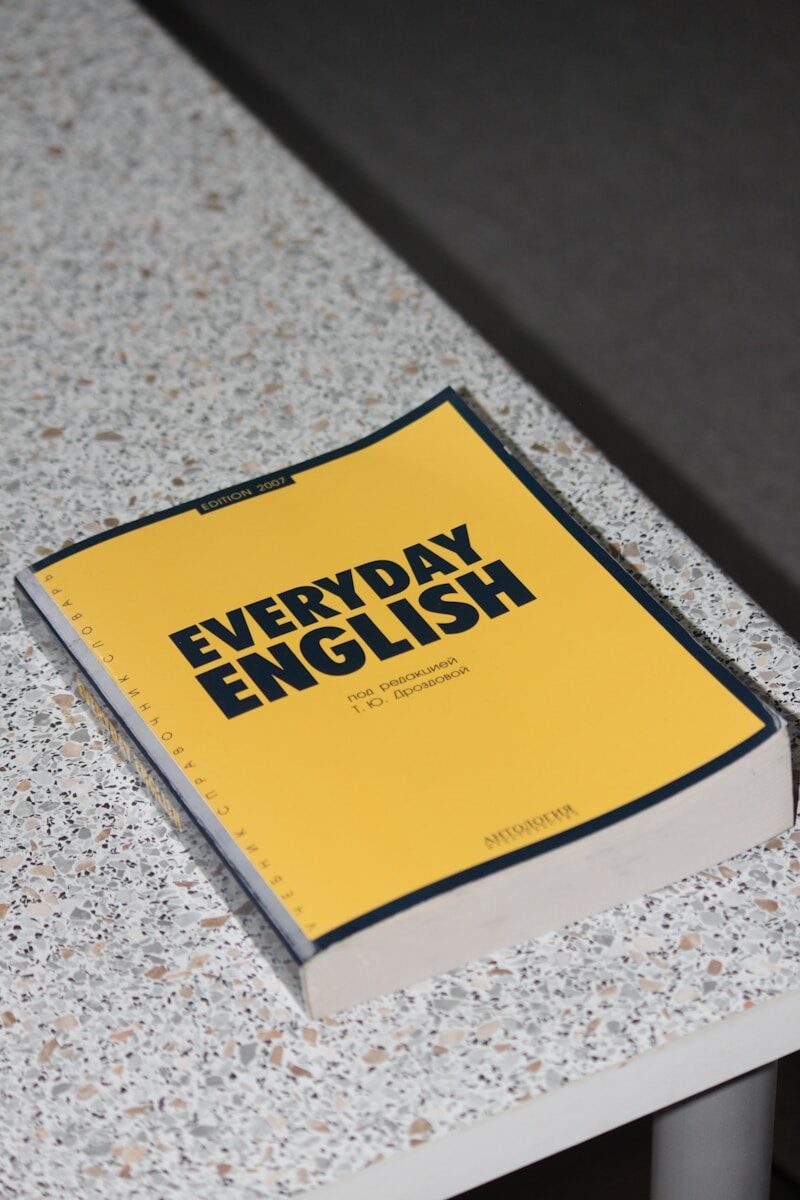








































 Our platform covers everything in English Speaking, Reading, Writing and Listening all at one Place, Easy Practice with daily Life examples.