

Now Reading: No Article (Zero Article) Rules in English (अंग्रेजी में ‘No Article’ के नियम)
-
01
No Article (Zero Article) Rules in English (अंग्रेजी में ‘No Article’ के नियम)
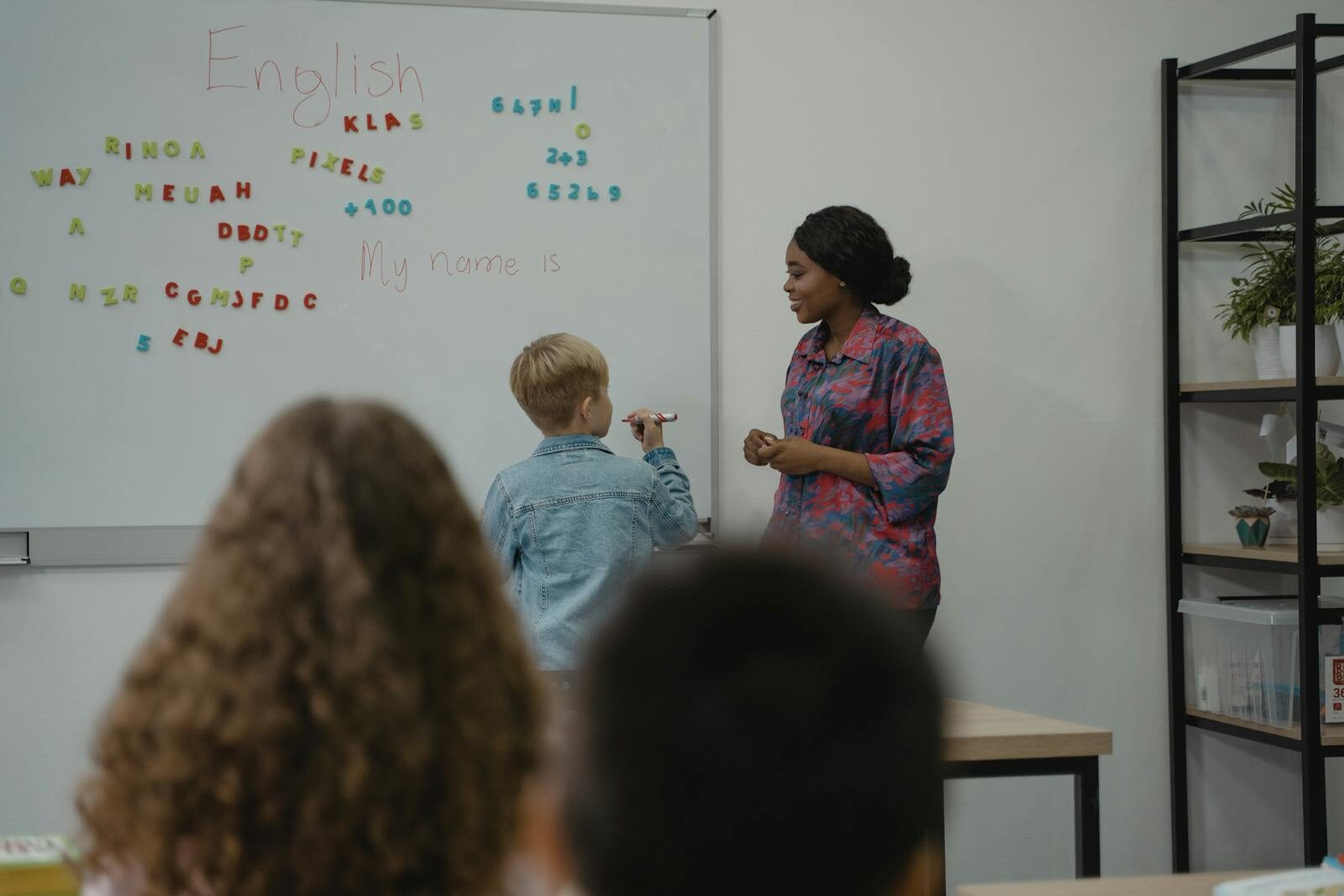
No Article (Zero Article) Rules in English (अंग्रेजी में ‘No Article’ के नियम)

In English, the Zero Article means using no article (a, an, or the) before a noun.
(अंग्रेजी में ज़ीरो आर्टिकल का मतलब है संज्ञा से पहले कोई आर्टिकल न लगाना।)
Rule 1: Plural and Uncountable Nouns (General Talk)
(नियम 1: बहुवचन और अनगिनत संज्ञाएं – सामान्य बातचीत में)
When talking about things in general (not specific ones), do not use an article.
(जब हम सामान्य रूप से किसी चीज़ के बारे में बात करते हैं, न कि किसी खास चीज़ के बारे में, तो आर्टिकल का प्रयोग नहीं होता है।)
· English: I like dogs.
· Hindi: मुझे कुत्ते पसंद हैं। (सभी कुत्ते सामान्य रूप से)
· English: Water is essential for life.
· Hindi: पानी जीवन के लिए आवश्यक है। (सारा पानी सामान्य रूप से)
· English: She eats rice every day.
· Hindi: वह हर दिन चावल खाती है।
Rule 2: Names of People and Places (Proper Nouns)
(नियम 2: व्यक्तियों और स्थानों के नाम – व्यक्तिवाचक संज्ञा)
Proper nouns are unique and usually don’t need an article.
(व्यक्तिवाचक संज्ञाएं अद्वितीय होती हैं, इसलिए उनके साथ आमतौर पर आर्टिकल नहीं लगता।)
· English: India is a beautiful country.
· Hindi: भारत एक खूबसूरत देश है।
· English: I met John yesterday.
· Hindi: मैं कल जॉन से मिला।
· English: She lives in Mumbai.
· Hindi: वह मुंबई में रहती है।
Rule 3: Names of Meals
(नियम 3: भोजन के नाम)
We generally do not use an article with breakfast, lunch, or dinner.
(आमतौर पर नाश्ते, दोपहर के भोजन और रात के भोजन के साथ आर्टिकल नहीं लगाते।)
· English: Let’s have breakfast.
· Hindi: चलो नाश्ता करते हैं।
· English: What’s for dinner?
· Hindi: रात के खाने में क्या है?
· (Exception / अपवाद: If an adjective is used, we might use “a”: We had a wonderful lunch.)
· (अगर भोजन के साथ विशेषण लगे, तो “a” लग सकता है: हमने एक शानदार दोपहर का भोजन किया।)
Rule 4: Languages and Academic Subjects
(नियम 4: भाषाएं और शैक्षणिक विषय)
We do not use an article with the names of languages or school subjects.
(भाषाओं या स्कूल के विषयों के नामों के साथ आर्टिकल नहीं लगाते।)
· English: She speaks Hindi.
· Hindi: वह हिंदी बोलती है।
· English: I am studying Mathematics.
· Hindi: मैं गणित पढ़ रहा हूँ।
Rule 5: Sports and Games
(नियम 5: खेल)
No article is used with sports.
(खेलों के नामों के साथ आर्टिकल नहीं लगता।)
· English: He plays cricket.
· Hindi: वह क्रिकेट खेलता है।
· English: I love playing chess.
· Hindi: मुझे शतरंज खेलना पसंद है।
Rule 6: Most Countries, Cities, Continents, and Streets
(नियम 6: अधिकांश देश, शहर, महाद्वीप और सड़कें)
· English: I live in London.
· Hindi: मैं लंदन में रहता हूँ।
· English: She is from Asia.
· Hindi: वह एशिया से है।
· (Exceptions / अपवाद: We use “the” for countries that are unions, republics, or plural: The USA, The UK, The Netherlands, The Philippines.)
· (“The” का प्रयोग उन देशों के साथ करते हैं जो गणराज्य, संघ या बहुवचन हों: द यूएसए, द यूके, द नीदरलैंड्स।)
Rule 7: Parks, Lakes, and Individual Mountains
(नियम 7: पार्क, झीलें और अलग-अलग पर्वत)
· English: Let’s go to Central Park.
· Hindi: चलो सेंट्रल पार्क चलते हैं।
· English: Mount Everest is very tall.
· Hindi: माउंट एवरेस्ट बहुत ऊँचा है।
· English: We swam in Lake Michigan.
· Hindi: हमने लेक मिशिगन में तैराकी की।
· (Exception / अपवाद: We use “the” for mountain ranges: The Himalayas, The Andes.)
· (“The” का प्रयोग पर्वत श्रृंखलाओं के साथ करते हैं: द हिमालय, द एंडीज।)
Rule 8: Companies, Brands, and Airports
(नियम 8: कंपनियां, ब्रांड और हवाई अड्डे)
· English: I work for Microsoft.
· Hindi: मैं माइक्रोसॉफ्ट के लिए काम करता हूँ।
· English: We flew from Heathrow Airport.
· Hindi: हमने हीथ्रो एयरपोर्ट से उड़ान भरी।
Rule 9: Transport (with “by”)
(नियम 9: परिवहन – “by” के साथ)
When talking about methods of travel using the preposition “by”, we do not use an article.
(जब हम यातायात के साधनों के बारे में “by” पूर्वसर्ग का उपयोग करके बात करते हैं, तो आर्टिकल नहीं लगाते।)
· English: She came by car.
· Hindi: वह कार से आई।
· English: I travel by bus.
· Hindi: मैं बस से यात्रा करता हूँ।
· English: He goes to office by train.
· Hindi: वह ट्रेन से ऑफिस जाता है।
· (Note: If you use “on” or “in”, you need an article: on the bus, in a car.)
· (नोट: अगर आप “on” या “in” का उपयोग करते हैं, तो आर्टिकल लगेगा: बस में, कार में।)
Rule 10: Days, Months, and Festivals
(नियम 10: दिन, महीने और त्यौहार)
· English: I will see you on Monday.
· Hindi: मैं आपसे सोमवार को मिलूंगा।
· English: January is a cold month.
· Hindi: जनवरी एक ठंडा महीना है।
· English: We celebrate Diwali with lights.
· Hindi: हम दिवाली रोशनी के साथ मनाते हैं।
Rule 11: Institutions (Bed, Hospital, School, Prison, Church)
(नियम 11: संस्थाएं – बिस्तर, अस्पताल, स्कूल, जेल, चर्च)
When talking about the main purpose of these places, we often drop the article.
(जब हम इन स्थानों के मुख्य उद्देश्य के बारे में बात करते हैं, तो हम आर्टिकल नहीं लगाते।)
· Go to school (as a student / छात्र के रूप में)
· English: The child goes to school.
· Hindi: बच्चा स्कूल जाता है। (पढ़ने)
· Go to the school (as a parent / अभिभावक के रूप में)
· English: The mother went to the school for a meeting.
· Hindi: माँ मीटिंग के लिए स्कूल गई। (भवन में)
· Go to prison (as a criminal / अपराधी के रूप में)
· English: He went to prison for robbery.
· Hindi: वह डकैती के लिए जेल गया। (सजा काटने)
· Go to the prison (as a visitor / आगंतुक के रूप में)
· English: She went to the prison to teach inmates.
· Hindi: वह कैदियों को पढ़ाने जेल गई। (भवन में)
· Go to bed (to sleep / सोने के लिए)
· English: I want to go to bed.
· Hindi: मैं सोने जाना चाहता हूँ।
· Be in bed (sleeping or resting / सोना या आराम करना)
· English: He is sick in bed.
· Hindi: वह बीमार है और बिस्तर पर है।
· Go to church (to pray / प्रार्थना करने)
· English: They go to church every Sunday.
· Hindi: वे हर रविवार चर्च जाते हैं।
· Go to hospital (as a patient / मरीज के रूप में)
· English: He had an accident and went to hospital.
· Hindi: उसका एक्सीडेंट हो गया और वह अस्पताल गया। (इलाज के लिए)
Important Exceptions to “No Article” Rules
(नो आर्टिकल के महत्वपूर्ण अपवाद)
Exception 1: Superlatives and Unique Things
(अपवाद 1: श्रेष्ठतासूचक और अद्वितीय वस्तुएं)
Even if a noun is well-known, we use “the” for things that are unique.
(भले ही संज्ञा सर्वविदित हो, अद्वितीय वस्तुओं के लिए हम “the” का प्रयोग करते हैं।)
· Incorrect: Sun is hot.
· Correct: The sun is hot.
· Hindi: सूरज गर्म है।
· Incorrect: He is best student.
· Correct: He is the best student.
· Hindi: वह सबसे अच्छा छात्र है।
(Other unique things / अन्य अद्वितीय वस्तुएं: the Earth (पृथ्वी), the Moon (चंद्रमा), the sky (आकाश), the world (दुनिया))
Exception 2: Adjectives used as Plural Nouns
(अपवाद 2: विशेषणों का बहुवचन संज्ञा के रूप में प्रयोग)
When an adjective describes a group of people, we use “the”.
(जब कोई विशेषण लोगों के समूह का वर्णन करता है, तो हम “the” का प्रयोग करते हैं।)
· English: We should help the poor.
· Hindi: हमें गरीबों की मदद करनी चाहिए।
· English: The rich are getting richer.
· Hindi: अमीर और अमीर होते जा रहे हैं।
Exception 3: Names with “of” or “Republic/Kingdom”
(अपवाद 3: “of” या “Republic/Kingdom” वाले नाम)
We use “the” when a country name includes a common noun like Republic, Kingdom, or contains “of”.
(जब किसी देश के नाम में Republic, Kingdom जैसी सामान्य संज्ञा शामिल हो या उसमें “of” आता है, तो हम “the” का प्रयोग करते हैं।)
· Examples: The United States of America, The United Kingdom, The Republic of India.
Exception 4: Musical Instruments
(अपवाद 4: संगीत वाद्ययंत्र)
We generally use “the” with musical instruments when talking about playing them.
(वाद्ययंत्र बजाने की बात करते समय हम आमतौर पर “the” का प्रयोग करते हैं।)
· English: She plays the piano.
· Hindi: वह पियानो बजाती है।
· English: He is learning the guitar.
· Hindi: वह गिटार सीख रहा है।
Exception 5: Fixed Phrases
(अपवाद 5: स्थिर वाक्यांश)
Some fixed phrases in English still use “the” even when talking generally.
(कुछ स्थिर वाक्यांशों में सामान्य बातचीत के दौरान भी “the” का प्रयोग होता है।)
· English: I heard it on the radio.
· Hindi: मैंने इसे रेडियो पर सुना।
(But / लेकिन: I saw it on TV / मैंने इसे टीवी पर देखा।)
· English: What’s playing at the cinema?
· Hindi: सिनेमा में क्या चल रहा है?
















































 Our platform covers everything in English Speaking, Reading, Writing and Listening all at one Place, Easy Practice with daily Life examples.